Comissão de Negócios Estrangeiros e Comunidades Portuguesas / Pedido de Audiência
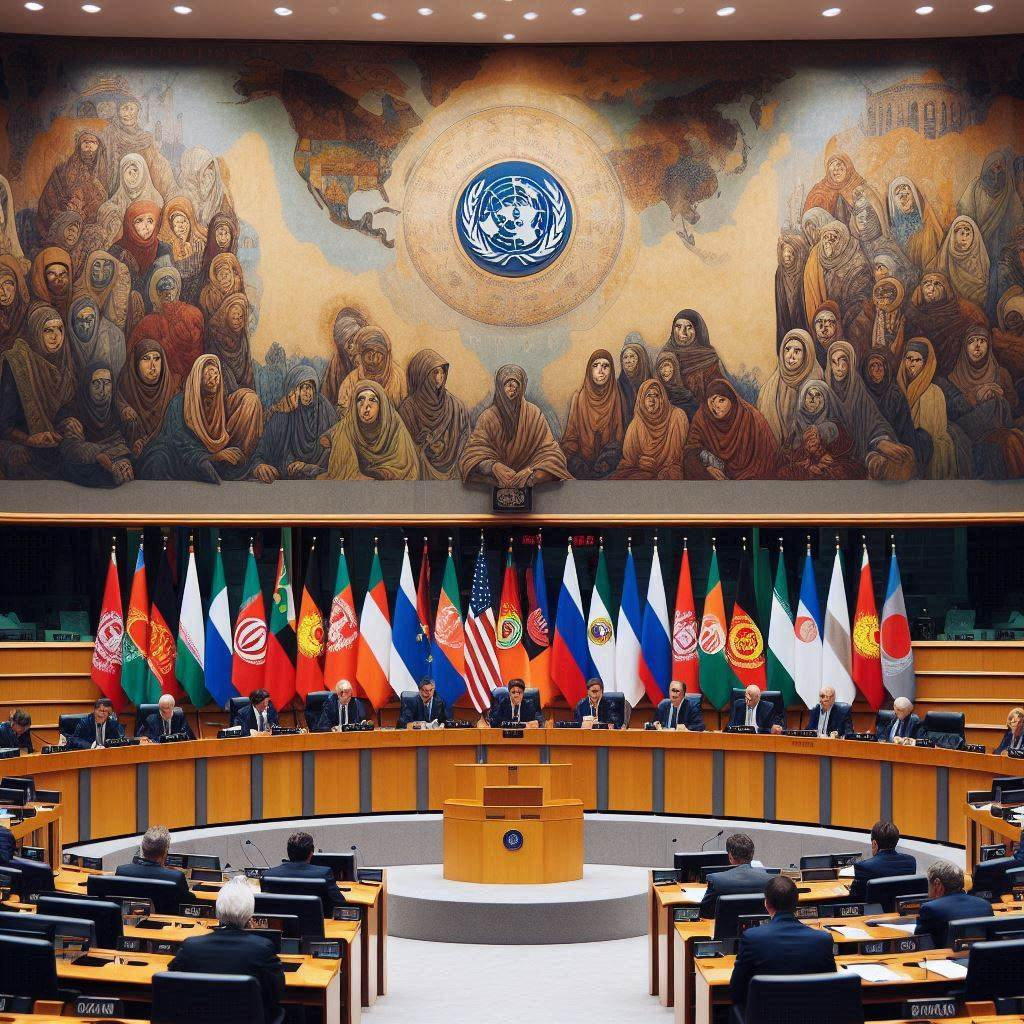
É urgente acção por parte do governo português em apoio aos povos afegão, iraniano e russo, por forma a desencorajar mais violência e a denunciar a longa história de atrocidades e impunidade nestes países. Estes três povos tão martirizados precisam do apoio de Portugal, da Europa e de toda a comunidade internacional para obter os seus direitos e liberdades.
A Assembleia da República pode adoptar várias medidas para pressionar as autocracias da Rússia, Irão e Afeganistão, tanto ao nível nacional quanto europeu e internacional:
1. Declarações e Resoluções: A Assembleia da República pode produzir declarações públicas condenando as violações dos direitos humanos e das regras democráticas por parte dos regimes afegão, iraniano e russo, assim como pode propor resoluções condenatórias para serem votadas no Parlamento. Em concreto, a Assembleia deve condenar, de forma vigorosa e pública, nos mais altos níveis, estes regimes pela violência contra as mulheres, manifestantes e activistas da sociedade civil; apelando a estas autoridades para acabarem com os bloqueios de acesso à Internet, cessarem com a repressão violenta, permitirem protestos pacíficos e libertarem todos os indivíduos detidos injustamente.
2. Sanções: A Assembleia pode pressionar o governo para impor novas sanções económicas e diplomáticas contra estes regimes autoritários, restringindo comércio, investimentos e cooperação diplomática.
3. Diplomacia Parlamentar: Os membros da Assembleia podem envolver-se em diplomacia parlamentar, estabelecendo contactos com parlamentares de outros países para coordenar acções conjuntas de pressão internacional.
4. Assistência a Opositores: A Assembleia pode promover programas de assistência a grupos da sociedade civil, activistas de direitos humanos e opositores políticos nesses países, oferecendo apoio moral, financeiro e logístico. A sociedade civil destes países e os seus exilados devem ser incluídos em todos os contactos sobre as questões dos Direitos Humanos nestes países designadamente representantes das mulheres e dos membros das minorias (étnico-religiosas, LGBTQ e outros grupos sob discriminação do regime). Os peticionários acreditam que deve ser criada uma simplificação dos requisitos de entrada para os cidadãos que procuram refúgio destes regimes com um acesso mais fácil às autorizações de residência. A perseguição e a violência específica de género também devem ser tidas em consideração como motivo de urgência no processo de asilo. Sendo que Portugal está obrigado pela Convenção de Istambul. Acreditamos também que é crucial implementar medidas de proteção reforçadas para exilados desses regimes por parte das autoridades portuguesas, bem como escritórios de contacto e registo para os afectados.
5. Advocacia Internacional: A Assembleia pode trabalhar em conjunto com organizações internacionais, como a ONU, a União Europeia e organizações de direitos humanos, para aumentar a pressão sobre estes regimes autocráticos por meio de campanhas de conscientização e advocacia internacional. No particular, a Assembleia deve instar o Governo a empreender iniciativas diplomáticas para que se estabeleça uma sessão especial e urgente na ONU que possa levar os governos do mundo a um debate sobre como abordar a atual repressão violenta e a crise de direitos humanos nestes três países. Portugal deve também requerer que os representantes do regime talibã, da República Islâmica e da Federação Russa sejam removidos do “UN Women’s Right Commission”. Portugal deve também apoiar a suspensão das negociações nucleares com a República Islâmica do Irão.
6. Restrições de Viagem e Congelamento de Activos: A Assembleia pode pressionar o governo a impor restrições de viagem e congelamento de activos contra líderes e indivíduos ligados a estes regimes autoritários, impedindo-os de viajar para o país ou de acederem a recursos financeiros.
Devem ser implementadas medidas que afectem directamente a elite do poder nos regimes afegão, iraniano e russo, por exemplo, com confisco de bens e propriedade em território português, congelamento de bens de indivíduos e organizações ligados aos regimes, que sejam responsáveis ou autorizem a vigilância contra manifestantes, dentro do país e estrangeiro.
O Parlamento deve também instar o Governo a revogar todos os vistos dos colaboradores, beneficiários ou apoiantes destes regimes autocráticos.
7. Promoção de Sanções Internacionais: A Assembleia pode trabalhar para promover a adoção de sanções internacionais (que não afectem a população civil) coordenadas por coligações de países democráticos contra os regimes autocráticos e instar, junto da União Europeia ao lançamento de novas sanções que visem indivíduos e organizações que sejam responsáveis ou autorizem a vigilância contra manifestantes dentro do país e no estrangeiro. Os embaixadores destes países devem ser convocados pelo Governo da República e serem expulsos se continuarem a não permitir protestos em segurança ou continuarem com as violações dos Direitos Humanos contra a suas populações.
É importante notar que essas medidas devem ser cuidadosamente consideradas e implementadas em coordenação com outros actores nacionais, europeus e internacionais para maximizar a sua eficácia e minimizar possíveis consequências adversas. Além disso, é essencial garantir que essas acções não prejudicam a população civil nestes países.
English version:
It is urgent for the Portuguese government to take action in support of the Afghan, Iranian, and Russian peoples, in order to discourage further violence and denounce the long history of atrocities and impunity in these countries. These three peoples, so long-suffering, need the support of Portugal, Europe, and the entire international community to obtain their rights and freedoms.
The Assembly of the Republic can adopt several measures to pressure the autocracies of Russia, Iran, and Afghanistan, both at the national and European and international levels:
1. Statements and Resolutions: The Assembly of the Republic can issue public statements condemning the violations of human rights and democratic rules by the Afghan, Iranian, and Russian regimes, and propose condemnatory resolutions to be voted on in Parliament. Specifically, the Assembly must strongly and publicly condemn, at the highest levels, these regimes for violence against women, protesters, and civil society activists; urging these authorities to end internet access blockades, cease violent repression, allow peaceful protests, and release all individuals unjustly detained.
2. Sanctions: The Assembly can pressure the government to impose new economic and diplomatic sanctions against these authoritarian regimes, restricting trade, investments, and diplomatic cooperation.
3. Parliamentary Diplomacy: Assembly members can engage in parliamentary diplomacy by establishing contacts with parliamentarians from other countries to coordinate joint actions for international pressure.
4. Assistance to Opponents: The Assembly can promote assistance programs for civil society groups, human rights activists, and political opponents in these countries, offering moral, financial, and logistical support. Civil society groups in these countries and their exiles should be included in all contacts on human rights issues in these countries, including representatives of women and members of minority groups (ethnic, religious, LGBTQ, and other discriminated groups by the regime). The petitioners believe that simplification of entry requirements should be created for citizens seeking refuge from these regimes with easier access to residence permits. Persecution and specific gender-based violence should also be considered as a reason for urgency in the asylum process. Portugal is obliged to do so by the Istanbul Convention. We also believe that it is crucial to implement enhanced protection measures for exiles from these regimes by Portuguese authorities, as well as contact and registration offices for those affected.
5. International Advocacy: The Assembly can work together with international organizations, such as the UN, the European Union, and human rights organizations, to increase pressure on these autocratic regimes through awareness campaigns and international advocacy. In particular, the Assembly should urge the Government to undertake diplomatic initiatives to convene a special and urgent session at the UN that can lead the world’s governments to a debate on how to address the current violent repression and human rights crisis in these three countries. Portugal should also request that representatives of the Taliban regime, the Islamic Republic, and the Russian Federation be removed from the UN Women’s Rights Commission. Portugal should also support the suspension of nuclear negotiations with the Islamic Republic of Iran.
6. Travel Restrictions and Asset Freezing: The Assembly can pressure the government to impose travel restrictions and asset freezes against leaders and individuals connected to these authoritarian regimes, preventing them from traveling to the country or accessing financial resources. Measures should be implemented that directly affect the elite of power in the Afghan, Iranian, and Russian regimes, for example, with the confiscation of goods and property in Portuguese territory, freezing of assets of individuals and organizations linked to the regimes, who are responsible for or authorize surveillance against protesters, both domestically and abroad. The Parliament should also urge the Government to revoke all visas for collaborators, beneficiaries, or supporters of these autocratic regimes.
7. Promotion of International Sanctions: The Assembly can work to promote the adoption of international sanctions (that do not affect the civilian population) coordinated by coalitions of democratic countries against autocratic regimes and urge the European Union to launch new sanctions targeting individuals and organizations responsible for or authorizing surveillance against protesters within the country and abroad. Ambassadors from these countries should be summoned by the Government of the Republic and expelled if they continue to prevent safe protests or continue to violate human rights against their populations.
It is important to note that these measures should be carefully considered and implemented in coordination with other national, European, and international actors to maximize their effectiveness and minimize possible adverse consequences. Additionally, it is essential to ensure that these actions do not harm the civilian population in these countries.

 MDP: Movimento pela Democracia Participativa
Deixe uma resposta para O MDP será recebido em audiência pela Comissão de Negócios Estrangeiros para Apoio aos Povos do Afeganistão, Irão e Rússia (com activistas destes 3 países) – MdP: Movimento pela Democratização dos Partidos / Movimento pela Democracia Parti Cancelar resposta